Anesthesia Equipment Training Japan in Japan — Services and Locations
Everything BiomedRx publishes on anesthesia equipment training japan in Japan in one place: the full service overview, the related services we provide, and the locations we cover.
Below is every page BiomedRx maintains for anesthesia equipment training japan in Japan — the complete overview, the related services, and the surrounding locations our technicians cover.
What anesthesia equipment training japan involves
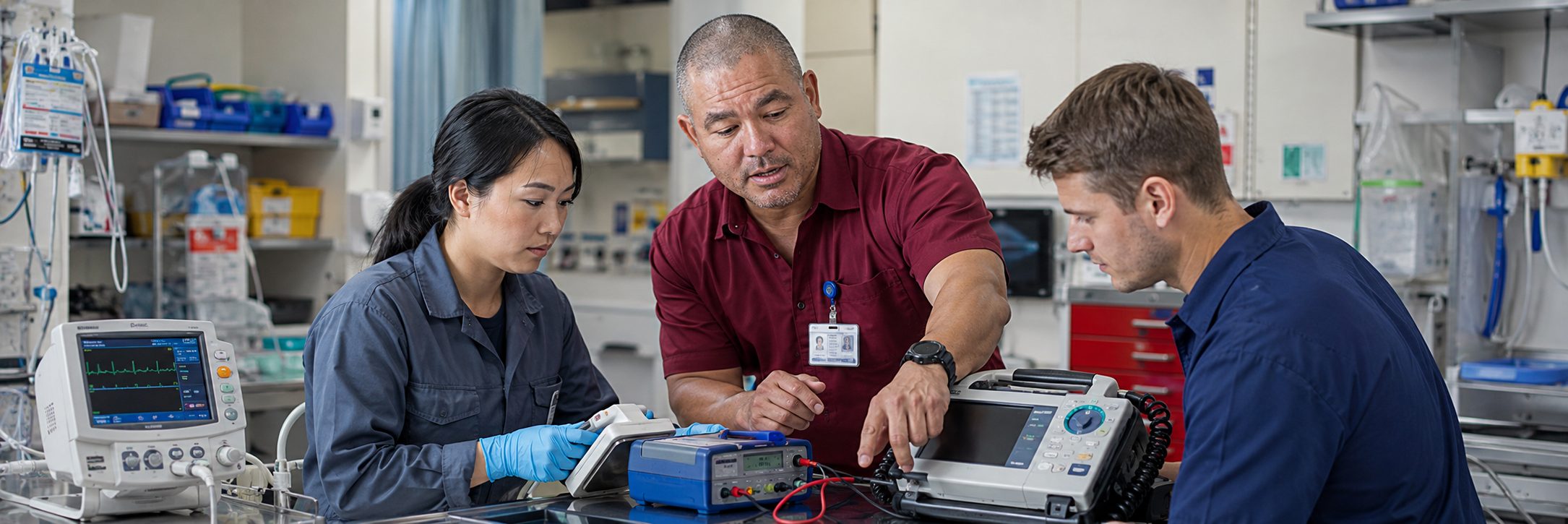
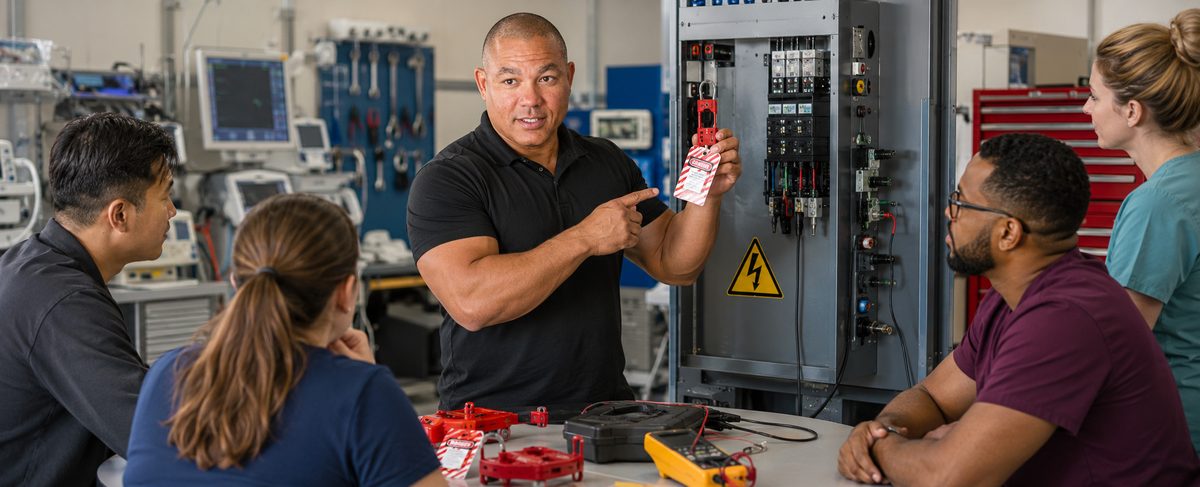
The most useful training covers what to do when something looks wrong: how to recognise a fault, what to stop doing, and who to call. That is the part that prevents a small problem from becoming an incident report.
Every visit produces documentation an inspector can read without a translator: what was done, to what standard, by whom, and when it is next due.
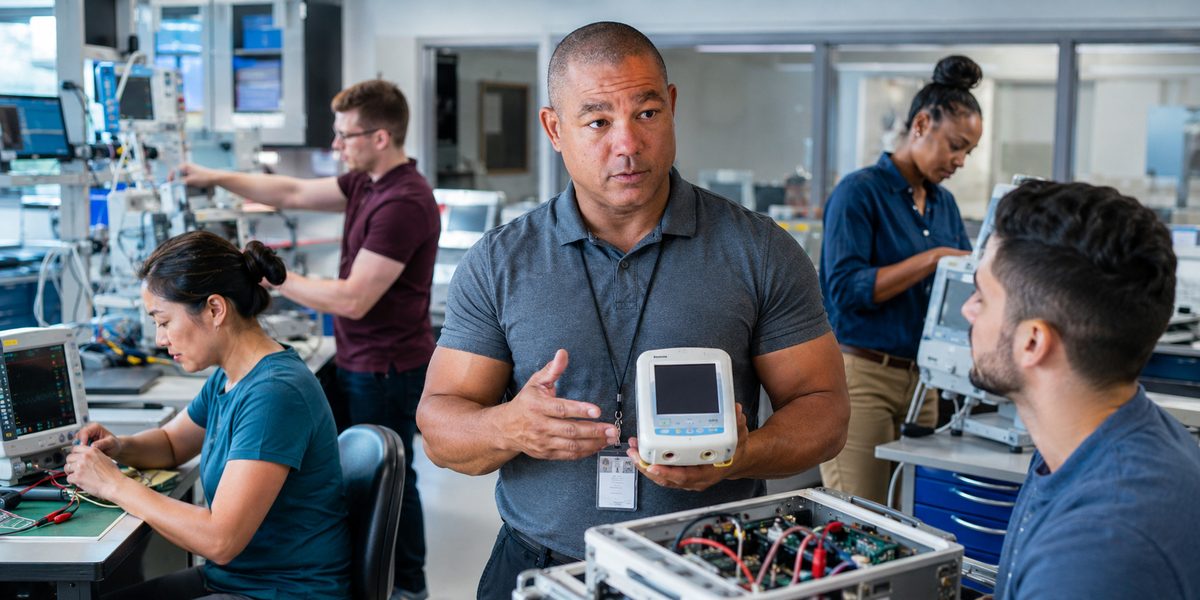
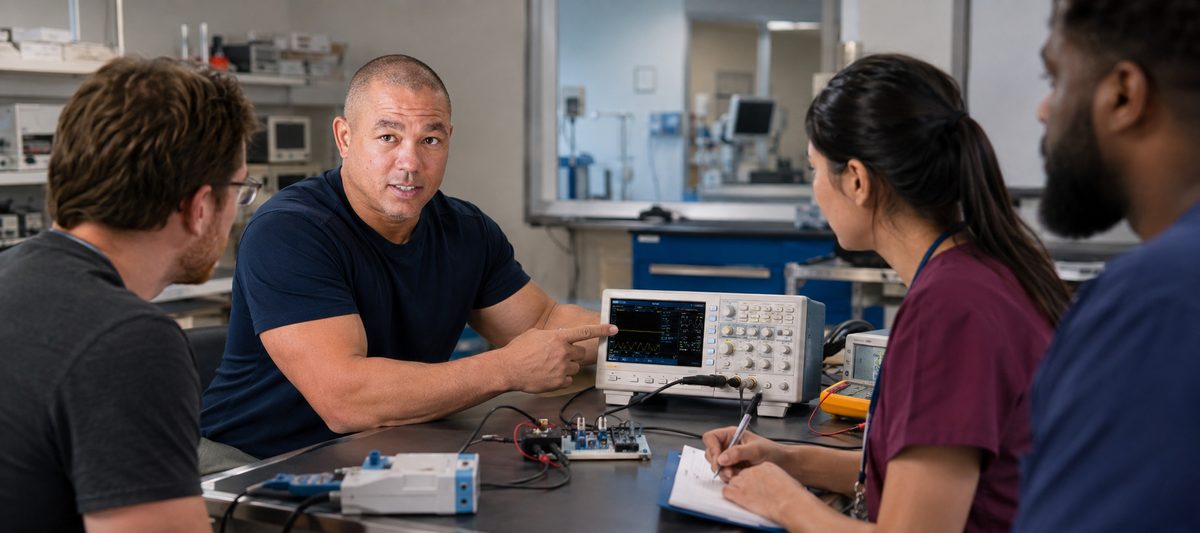
Training is what turns capable equipment into competent practice. The people who operate a device daily determine most of its uptime, and a fifteen-minute handover at installation is not training.
Anesthesia Equipment Training Japan in Japan
Working across Japan means knowing which facilities run which fleets, so the right parts and the right documentation arrive with the technician instead of following a week later.
Scheduling is agreed rather than imposed. Clinical operations set the window, and work that cannot fit inside it gets planned around a shutdown rather than forced into a working day.
Why the record matters
The documentation is not administrative overhead; it is the deliverable that outlives the visit. When an inspector, an insurer or a lawyer asks what condition a device was in on a particular date, the record is the entire answer, and a facility either has it or does not.
Quotes are specific to the equipment in front of you. The scope is agreed before the work is quoted, not after it is done.
Anesthesia Equipment Training News & Industry Insights
Current developments in anesthesia equipment training in Japan, with sources for further reading.
Repair or Replace? A Clear-Eyed Look at Anesthesia Equipment Training
The right call protects both budget and safety. BiomedRx gives Japan facilities honest anesthesia equipment training guidance instead of a sales pitch.
Smart Capital Planning Starts With Honest Anesthesia Equipment Training
You cannot budget for what you cannot see. BiomedRx gives Japan facilities the anesthesia equipment training visibility that makes capital planning credible.
Why Anesthesia Equipment Training Documentation Is Now an Audit Essential
Surveyors increasingly expect a clean paper trail for anesthesia equipment training. BiomedRx delivers complete service records in Japan so your compliance file is always inspection-ready.
Workforce Shortages Make Reliable Anesthesia Equipment Training Harder to Find
A tightening HTM labor market means dependable anesthesia equipment training is at a premium. BiomedRx gives Japan facilities a steady, accountable partner they can rely on.