Aging Equipment Raises the Stakes for Line Isolation Monitor
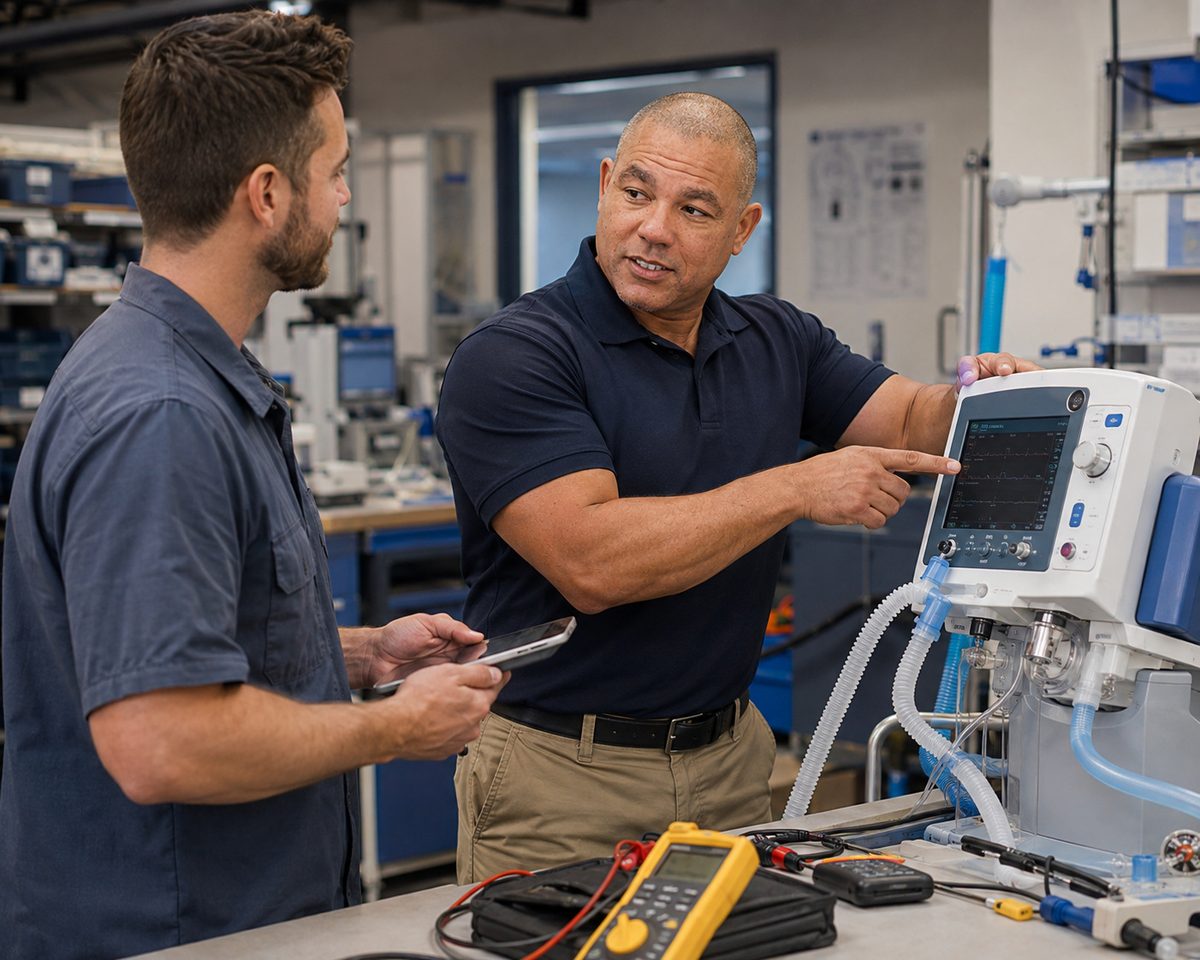
As installed devices age, line isolation monitor becomes mission-critical. BiomedRx helps Boston facilities extend equipment life safely and plan capital replacement with confidence.
Everything BiomedRx publishes on line isolation monitor boston in Boston in one place: the full service overview, the related services we provide, and the locations we cover.
This is the index for line isolation monitor boston in Boston. If you already know which service you need, go straight to it below; if not, the full overview explains what each one covers.
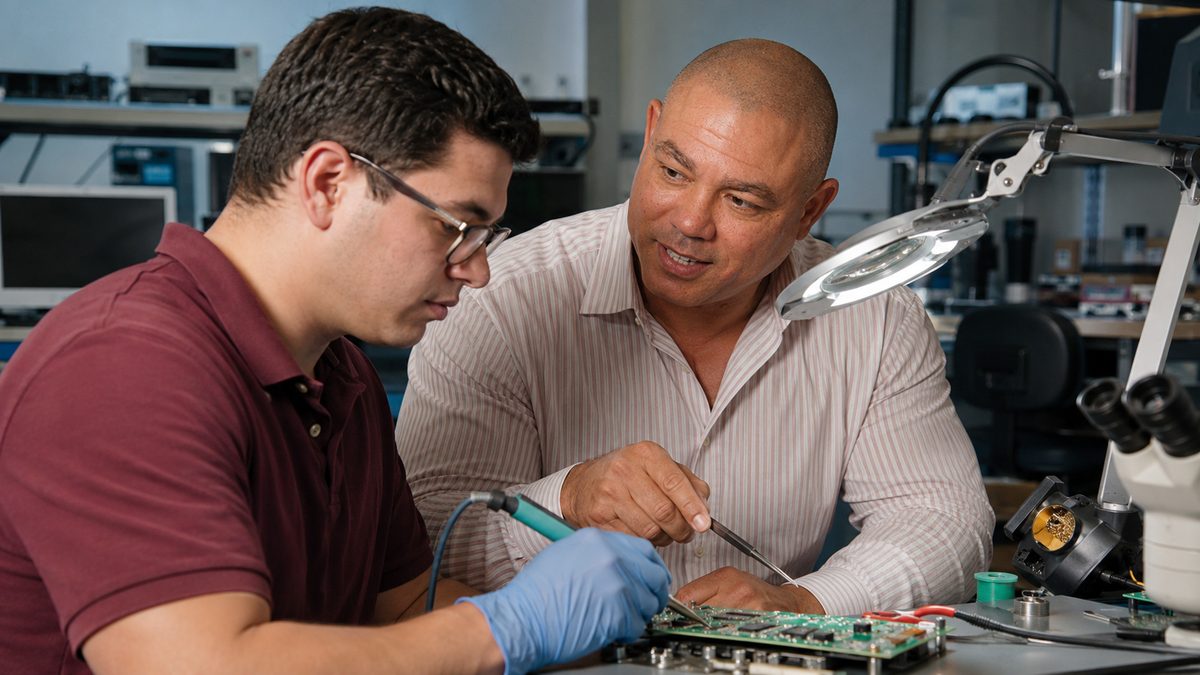
Biomedical equipment work rewards method over speed. The device is inspected, measured against its specification, corrected where it has drifted, and the whole sequence is documented so the next technician starts from fact rather than from guesswork.
Every visit produces documentation an inspector can read without a translator: what was done, to what standard, by whom, and when it is next due.
Equipment failure is rarely sudden. It is usually a drift that was measurable for months, which is why scheduled attention costs less than emergency response and disrupts far less.
Serving Boston means being reachable on the day something fails, and being predictable on the days nothing does.
A first visit starts with what is already on site: an inventory that matches reality, the service history that exists, and an honest read on which devices are worth continued investment. Nothing useful gets planned from a list nobody has verified.
Gaps in a maintenance record are read as gaps in maintenance, whether or not the work was done. The paperwork and the work are the same obligation.
If you are not sure which of these pages applies to your equipment, describe the situation and a technician will tell you what the work actually requires rather than what the largest quote would cover.
Current developments in line isolation monitor in Boston, with sources for further reading.
Primary regulations and standards referenced on this page. Where a standard is published commercially it is named in full rather than linked to a copy.